POM vs UHMWPE Switch Housings: How Plastics Change Sound
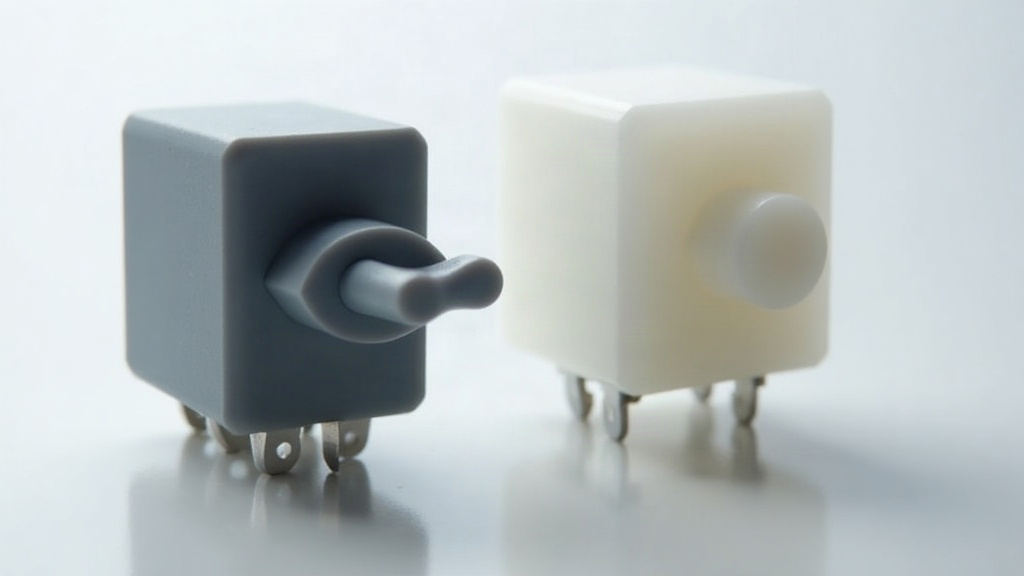
Hang around mechanical keyboard forums long enough, and you will inevitably stumble into a heated debate. The topic? POM versus UHMWPE switch housings. If you want the quick takeaway, here it is. POM (polyoxymethylene) usually delivers a deeper, clacky or marbly sound combined with a slick keystroke. On the other hand, UHMWPE (ultra-high-molecular-weight polyethylene) brings a softer, creamy acoustic profile. It gives you that much-desired thock alongside a waxy, smooth texture. But the actual physics behind these plastics are far more nuanced. Getting a grip on how they work will save you time, money, and frustration when you finally buy that next batch of switches.
Why Housing Material Matters So Much
Think about what happens every time you mash a key. A plastic stem slams into a plastic floor, and then a spring violently pushes it right back up into the top housing. The plastic surrounding that collision absorbs, dampens, and reflects the impact. A material’s density and internal stiffness shape your keyboard’s acoustic signature way more than most builders realize. In fact, it often matters more than the spring weight. You could easily take two switches with identical 62g springs and identical stems, put one in a POM housing and the other in UHMWPE, and they will sound like completely different keyboards.
POM: The Classic Choice
POM is the undisputed grandfather of switch plastics. It has been the industry standard for decades, serving as the backbone for the original Cherry MX lineup and basically every major clone that followed.
Sound characteristics:
- A sharp, high-pitched “clack” when you bottom out.
- Pronounced spring ping if you buy cheaper, unlubed variants.
- A crisp, highly articulate sound profile that cuts right through heavy sound dampening.
Feel characteristics:
- Naturally slick. The plastic literally self-lubricates as the stem rubs against it.
- Very low friction straight out of the box.
- A firm, rigid impact feel due to the dense nature of the polymer.
Best for: Competitive gamers and fast typists who crave a snappy, hyper-responsive switch. POM is incredibly forgiving for beginners who are just learning to mod because it holds onto Krytox or TriboSys factory lube exceptionally well.
UHMWPE: The Modern Thock Favorite
If POM is the vintage classic, UHMWPE is the modern disruptor. This material exploded onto the scene thanks to the legendary Gateron Ink series and a flood of boutique releases. Its primary goal is simple. It wants to give you that deep, muted bottom-out sound.
Sound characteristics:
- A low-pitched, round, and heavily muted impact noise.
- Almost no high-frequency harshness, replacing clack with low-end body.
- Often categorized by builders as sounding “creamy” or “milky.”
Feel characteristics:
- A slightly tacky, softer surface texture.
- Noticeable material flex. Many typists describe this as typing on tiny cushions.
- Occasionally scratchy in its stock form because it lacks the self-lubricating magic of POM.
Best for: Obsessive enthusiasts trying to build the ultimate ASMR typing machine. If you want a bass-heavy acoustic profile for video content or late-night typing without waking the neighbors, this is your plastic.
Side-by-Side Comparison
| Factor | POM | UHMWPE |
|---|---|---|
| Sound pitch | Higher, sharper | Lower, rounder |
| Stock smoothness | Very smooth | Good, sometimes scratchy |
| Lube absorption | Excellent | Good |
| Feel | Crisp, firm | Soft, cushioned |
| Common switches | Cherry MX, Gateron Oil King (hybrid) | Gateron Ink, various boutique switches |
Does Housing Material Matter More Than Switch Type?
You cannot look at a switch housing in a vacuum. The plastic interacts heavily with everything else sitting on your desk mat.
- Stem material: Crashing a POM stem into a UHMWPE housing creates a totally different top-out sound than using matching plastics.
- Case material and plate: A stiff aluminum plate will highlight high-frequency clacks. Swap that for a flexible POM or polycarbonate plate, and those harsh sounds instantly soften.
- Lubrication: Even the scratchiest batch of stock UHMWPE switches will feel like gliding on ice after a meticulous hand-lube job.
- Keycap material: Heavy PBT keycaps naturally push your board toward a thocky sound. Sometimes, a thick set of GMK or ePBT caps will completely mask the subtle acoustic differences between switch housings.
Your housing plastic is undeniably a massive piece of the puzzle, but it still relies entirely on the rest of your build to shine.
Which Should You Choose?
- Do you want a crisp, classic mechanical sound paired with effortless smoothness? Buy POM.
- Are you chasing a deep, modern acoustic profile for a custom thock build? Buy UHMWPE.
- Refuse to compromise? Look into hybrid switches. Many premium brands now mix materials (like putting a POM stem inside a UHMWPE housing) to give you a perfectly blended sound profile.
Conclusion
Your choice of plastic dictates the entire personality of your keyboard. POM hands you a sharp, aggressive clack with flawless out-of-the-box smoothness. UHMWPE trades that sharpness for a cushioned, bass-heavy acoustic experience that modern hobbyists love. You will never find an objectively perfect switch material. Success comes down to matching your plastic with the right case, a complementary plate, and your favorite keycaps. Grab a switch tester, order a few samples of both, and trust your own ears before you drop serious money on a full set of ninety switches.